
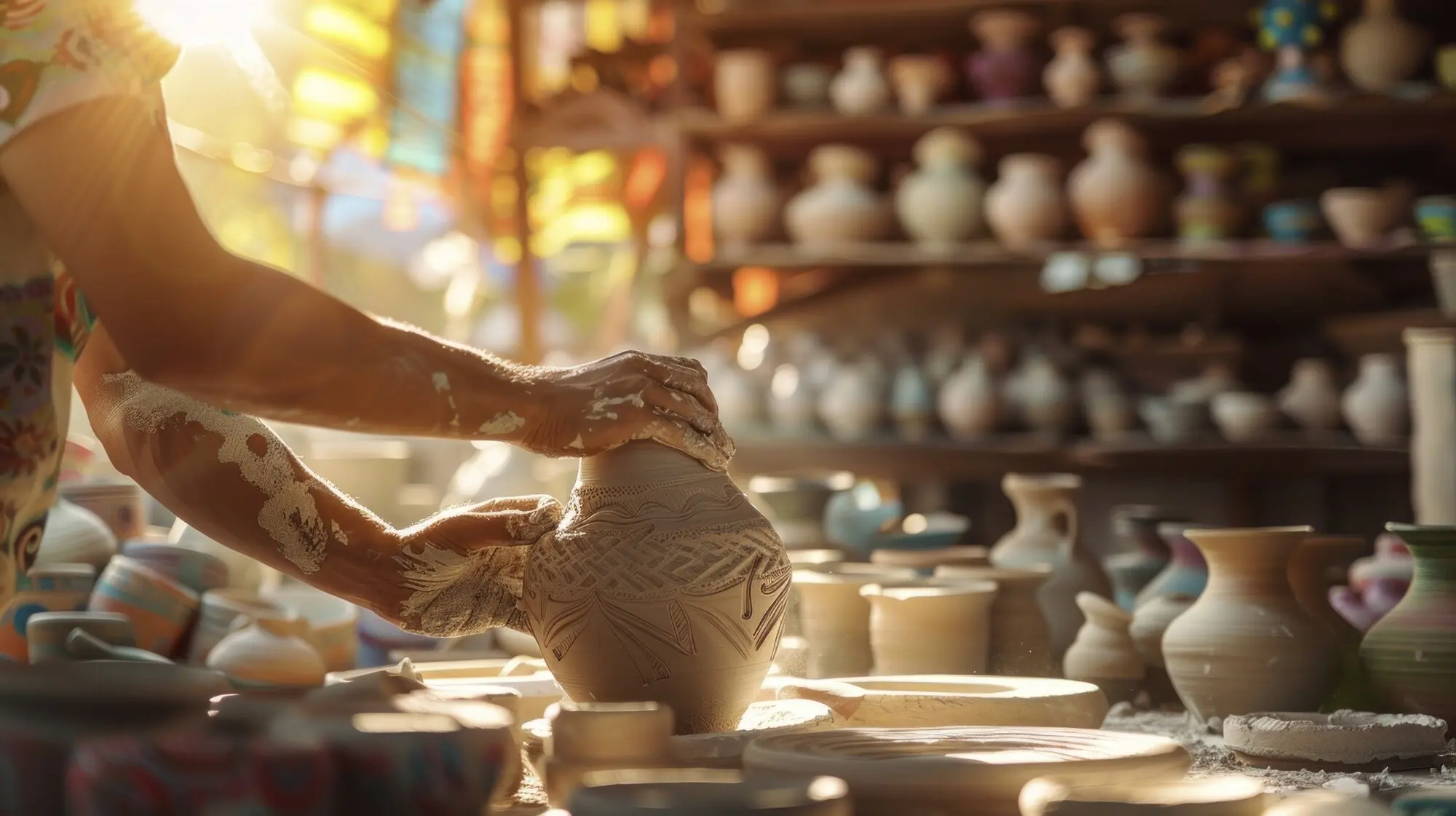
When Slow Food Embraces Slow Craft in the Alps–Adriatic
Join us as we explore Slow Food Meets Slow Craft: Culinary Tools and Tableware by Alps–Adriatic Makers, celebrating careful hands, regional materials, and unhurried cooking. Expect stories of copper and clay, olive and ash, linen and lace, knives and bowls, each carrying flavors, memories, and the gentle patience that turns shared meals into lasting rituals. Stay, wander, ask questions, and help us keep these traditions alive by sharing your table, your tools, and your voice.
Materials Shaped by Mountain, Forest, and Sea
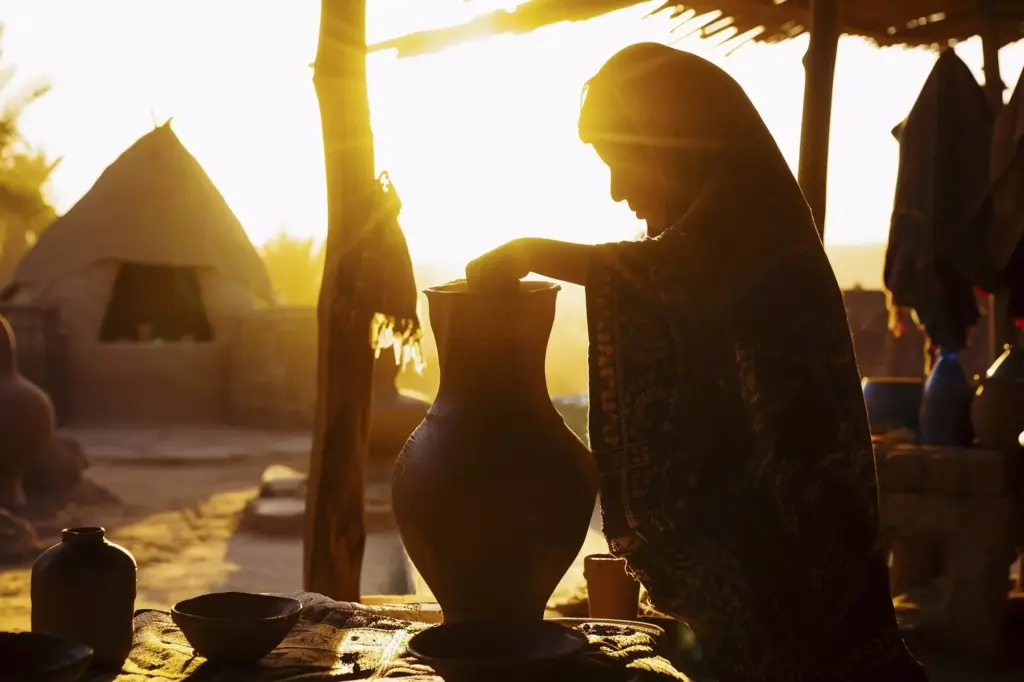
Between the Julian Alps and the northern Adriatic, materials carry a clear sense of place. Olive roots twist with history, mountain maple tightens with winter, river clays remember glaciers, and copper glows like evening sun on red rock cliffs. Makers choose slowly, harvest respectfully, then season, temper, and fire with the same patience we bring to stews, broths, polenta, and breads. Every ingredient and every tool answers to season, soil, and thoughtful stewardship.
Hands Behind the Work: Makers of the Alps–Adriatic
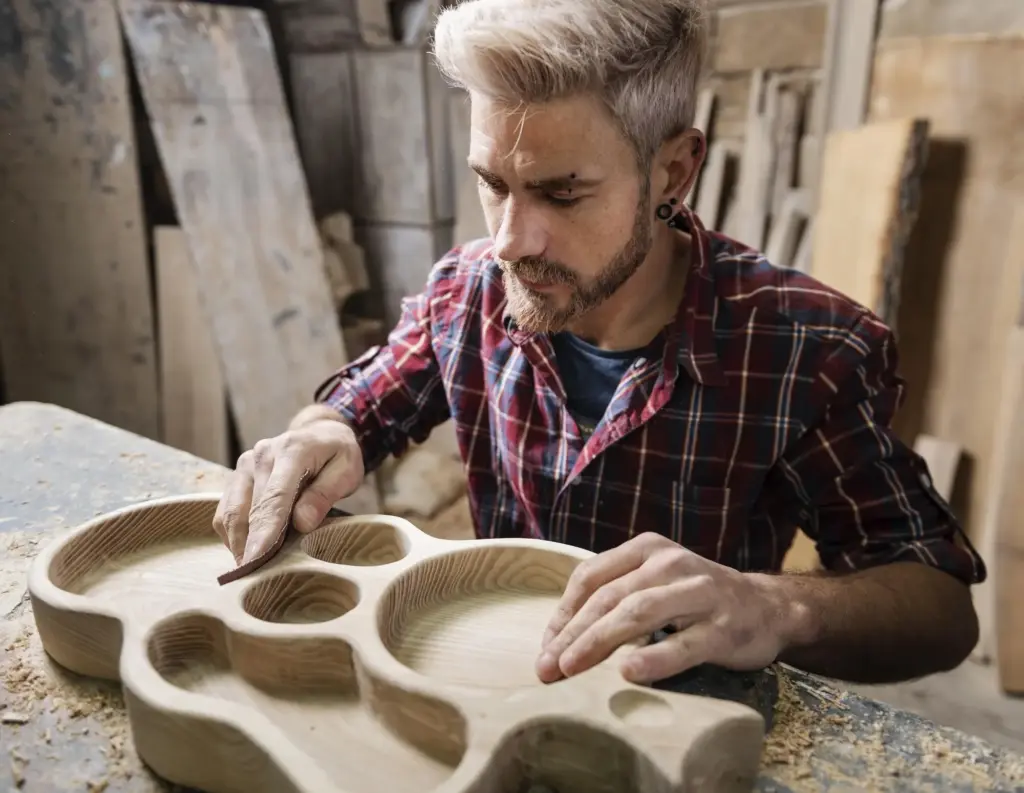
Across Maniago, Carinthia, Friuli, Istria, and the Soča valley, workshops hum softly with routine. Files sing against steel; looms click like distant rain; the wheel’s whisper marks each breath. Many are family spaces where skills leap generations, adjusted for today yet faithful to yesterday’s ethics. We meet them with curiosity and leave with gratitude, carrying pieces shaped by stories, mistakes, revisions, and beautifully stubborn dedication to doing things the right way.

Tools That Invite Patience in the Kitchen
Good tools slow the clock in comforting ways. A copper paiolo turns polenta into conversation; a balanced knife teaches smaller, safer motions; wooden spoons quiet the clang of metal. When heat, edge, and grain work together, flavors unfold naturally without urgency. These companions encourage tasting, adjusting, and sometimes simply waiting. In an age of timers and alerts, they ask us to trust scent, sound, and the soft thud of dough relaxing.

Stoneware Plates Glazed Like Karst Sunsets
Warm iron flecks drift through ochre and smoke glazes, echoing cliffs above Trieste. These plates stack safely, fit dishwashers, and handle low ovens for finishing. Rims lift subtly to catch jus and olive oil, protecting table linens and sleeves. Makers avoid overly glossy finishes that hide scratches, preferring satiny surfaces where everyday marks add depth. Setting them down, you feel steadiness, like a hillside terrace, holding stews, dumplings, and roasted root vegetables gracefully.
Boards and Platters for Speck, Tolminc, and Karst Prosciutto
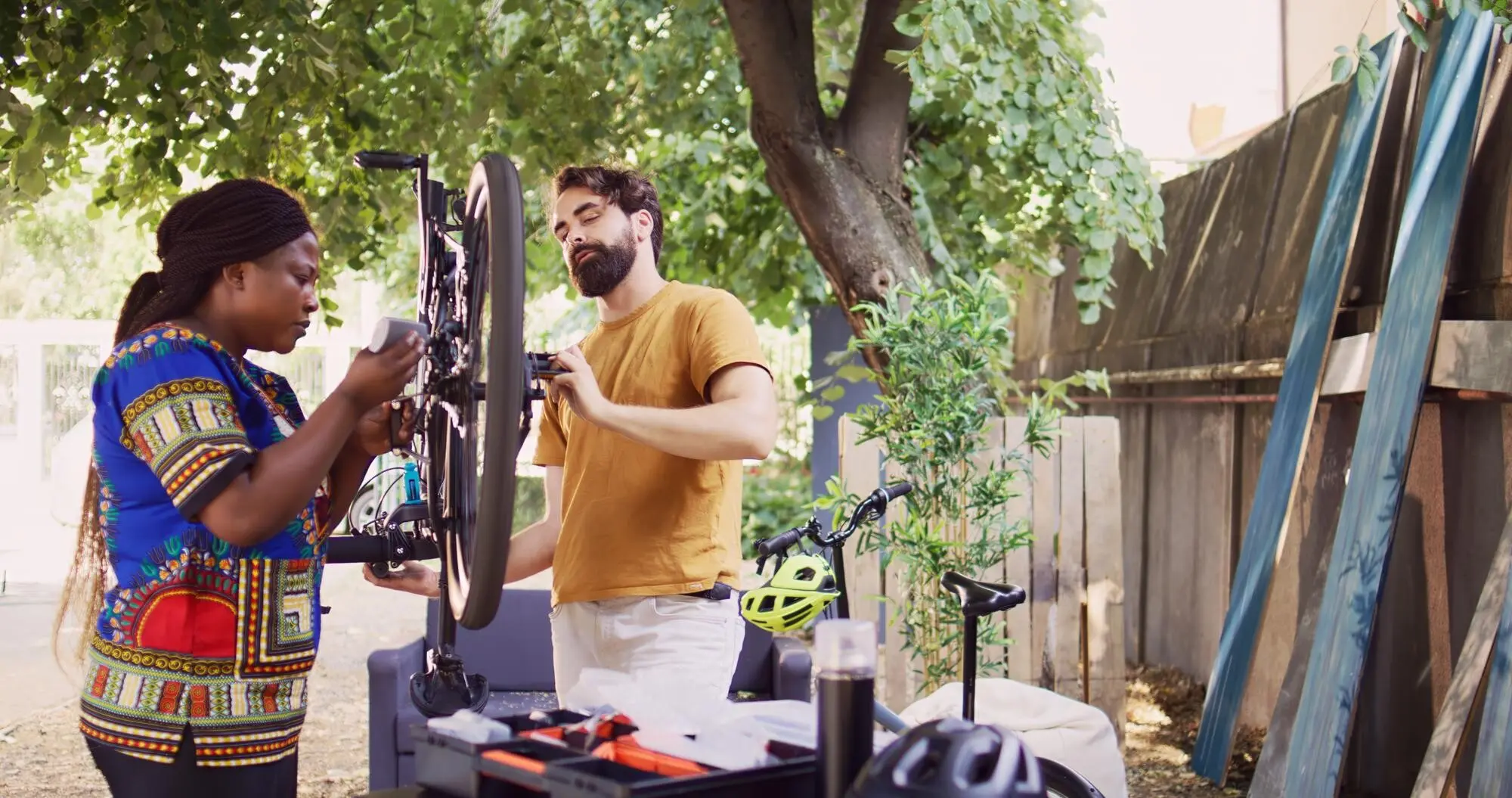
Beech and pearwood boards, sanded satin-smooth, frame cured meats and cheeses without stealing aroma. Finger grooves ease passing, and juice channels quietly contain tomatoes or roasted peppers. A beeswax finish respects mouthfeel, never tasting of finish itself. Arrange bitterness, sweetness, and salt thoughtfully: walnuts, chestnut honey, shaved Tolminc, thin prosciutto, and pickled mushrooms. The board becomes a map, guiding conversation across valleys, slopes, and cellars, where patience and humidity perform their quiet magic.
Care, Repair, and Lifelong Companionship
Longevity is not a promise; it is a practice. Wood appreciates thin coats of oil and a full night to drink. Copper asks for retinning when food starts to stick. Iron wants heat, fat, and calm cooling. Ceramics favor steady temperatures and generous storage space. Linens accept stains as chapters, not emergencies. With simple routines and seasonal checkups, your kitchen becomes a circle of reliable friends, aging beautifully alongside recipes and family jokes.

Wood Nourished With Oil, Wax, and Memory
Wash wood promptly, towel dry, and stand on edge for airflow. Monthly, rub in linseed, grapeseed, or walnut oil; wipe excess and let rest overnight. Beeswax blends add water resistance without sealing soul or scent. Avoid soaking and dishwashers. Sand lightly if fibers raise, remembering every mark is a story, not a flaw. Over years, spoons darken, boards smooth, and silhouettes fit hands more naturally, like a handshake learned by heart.
Copper Retinned, Iron Reseasoned, Steel Reborn
When tin turns patchy or food begins catching, send copper to a trusted retinner; the fresh lining arrives like a spring morning. Iron prefers thin layers of seasoning built patiently after warm water rinses, not harsh soap. Knives thrive with regular honing and occasional professional sharpening. Adopt a notebook: dates, oils used, observations. Maintenance becomes meditation, ensuring tools remain safe, responsive, and joyful, ready for dumplings, ragù, mushroom sautés, and evenings that end slowly.
Ceramic and Linen: Stains, Chips, and Graceful Aging
For stoneware, avoid sudden thermal shocks; let dishes warm with ovens and cool on wooden boards. Hairline chips can be sanded smooth to prevent snagging, then cherished as reminders of laughter. Pretreat linen stains with gentle soap, sunlight, and patience, never bleach that brittles fibers. Rotate sets to distribute wear, mend hems before they fray, and celebrate visible mending. Age becomes testimony to care, not damage, shaping a household’s quiet, enduring character.
Routes, Markets, and Ways to Meet the Makers
To understand these objects fully, visit the places where they are made, used, and loved. Walk Trieste’s breezy piers before climbing into Karst villages; cross to Gorizia and Nova Gorica for bakeries and knives; follow the Soča upriver toward Tolmin, then slip east to Friuli workshops. Schedule respectfully, linger kindly, and eat regionally. Share discoveries, questions, and photos with us, and subscribe to receive maps, interviews, seasonal recipes, and maker events worth changing plans for.
From Trieste to Tolmin: A Weekend Itinerary With Workshops and Warm Meals
Begin with espresso above the harbor, then visit a copper smith near the Karst edge. Lunch on jota and grilled squid, drive past vineyards of Rebula, and settle near Kobarid for evening trout. Saturday morning brings Maniago knives and a friendly sharpening lesson. Sunday ends with polenta turned onto a beech board, olive oil glistening. Keep notes, names, and small stories; write thank‑yous; and tell us where hospitality surprised you most.
Seasonal Markets: Udine, Graz, and Hidden Village Fairs
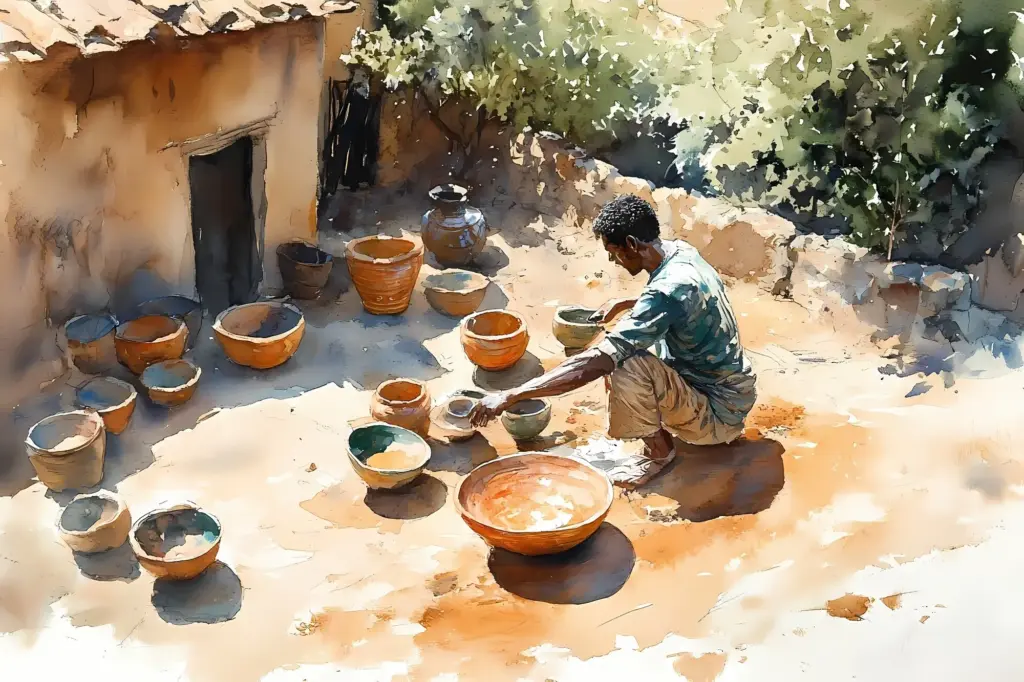
Market calendars pulse with seasons. Udine’s autumn stalls bloom with chestnuts, smoked ricotta, and turned bowls; Graz hosts linens and blacksmiths before snow; tiny village fairs reveal treasures between accordion songs and steaming mulled wine. Ask for care tips, provenance, and repair options at every stand. Buy slowly, carry lightly, and prioritize pieces you will reach for weekly. Then report back: which maker taught you something new, and which tool immediately changed dinner habits?