
From Peaks to Ports: Slowcraft Between Alps and Adriatic

Welcome to a journey shaped by patient hands and elemental landscapes. Today we step into Alps–Adriatic Slowcraft Living, where mountain pastures meet sea winds, and craft grows slowly, season by season. Expect stories of stone and salt, wool and wood, shared tables and market squares, all threaded by respectful time. As you read, picture the green rivers, the bora’s whistle across dry limestone, and the sparkle of copper bobbins. Tell us where you feel this pace in your own life, and why it matters now.

From Glaciers to Salt: A Connected Landscape

Paths of Transhumance

Each spring, bells rise with the herds, their tones mapping meadows better than any painted sign. Families walk beside animals whose rhythms pace the year: curd at dawn, wheels aging in caves, wool spun beside thresholds warm with sun. Those seasonal climbs leave more than hoofprints; they leave a vocabulary of gestures for cutting curd or tightening straps. Follow such a path, and you begin to carry its care, speaking slower, choosing tools for decades rather than seasons.

Karst Stone and Sea Salt

Each spring, bells rise with the herds, their tones mapping meadows better than any painted sign. Families walk beside animals whose rhythms pace the year: curd at dawn, wheels aging in caves, wool spun beside thresholds warm with sun. Those seasonal climbs leave more than hoofprints; they leave a vocabulary of gestures for cutting curd or tightening straps. Follow such a path, and you begin to carry its care, speaking slower, choosing tools for decades rather than seasons.

Rivers as Green Threads

Each spring, bells rise with the herds, their tones mapping meadows better than any painted sign. Families walk beside animals whose rhythms pace the year: curd at dawn, wheels aging in caves, wool spun beside thresholds warm with sun. Those seasonal climbs leave more than hoofprints; they leave a vocabulary of gestures for cutting curd or tightening straps. Follow such a path, and you begin to carry its care, speaking slower, choosing tools for decades rather than seasons.

Hands, Time, and Honest Materials

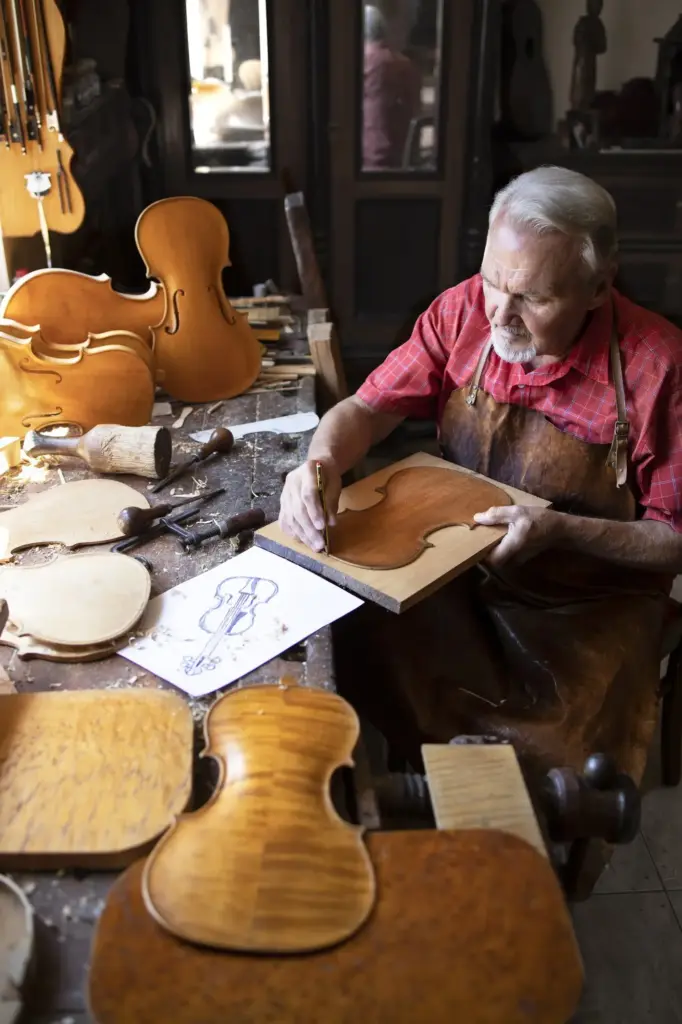
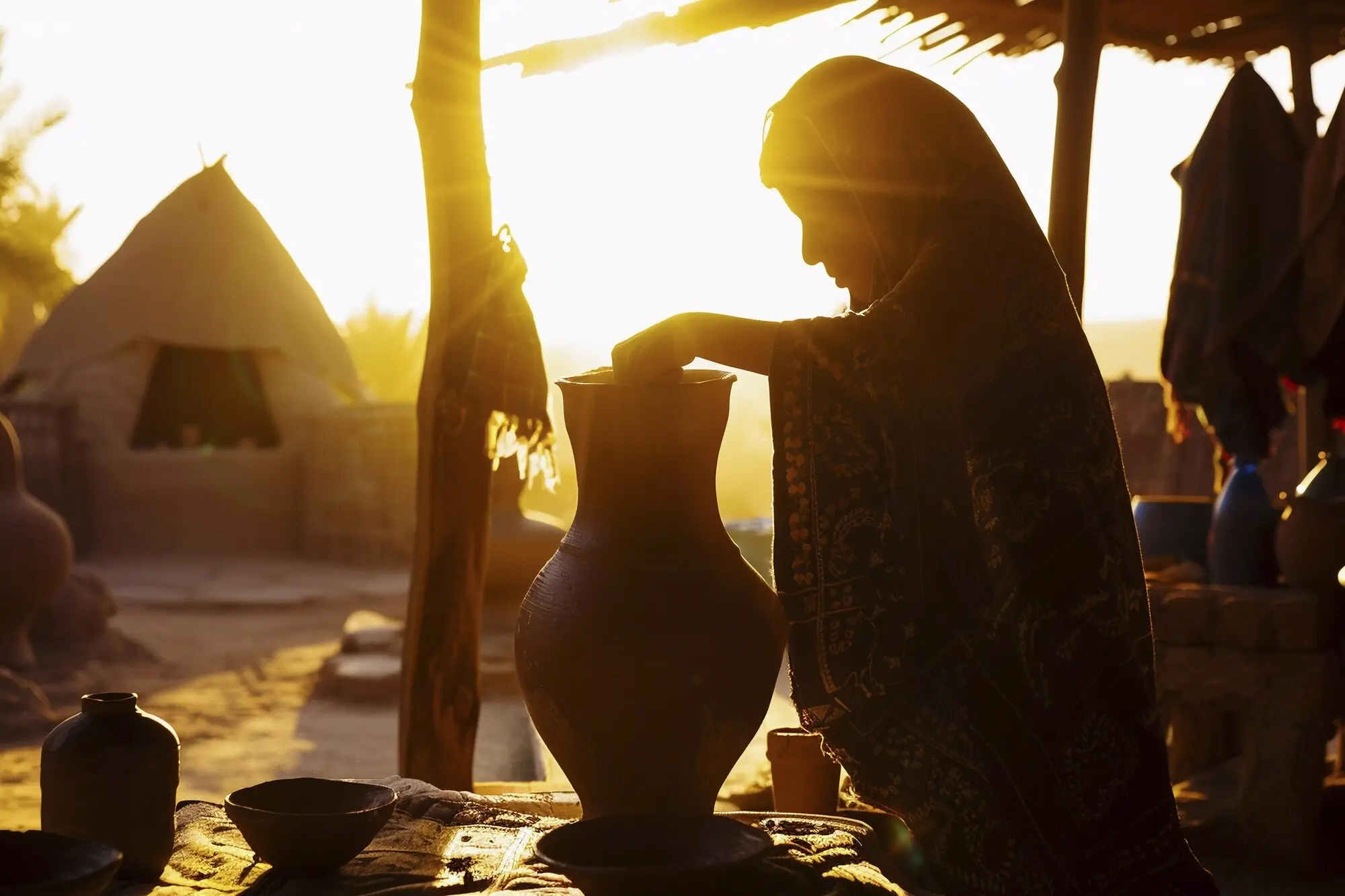
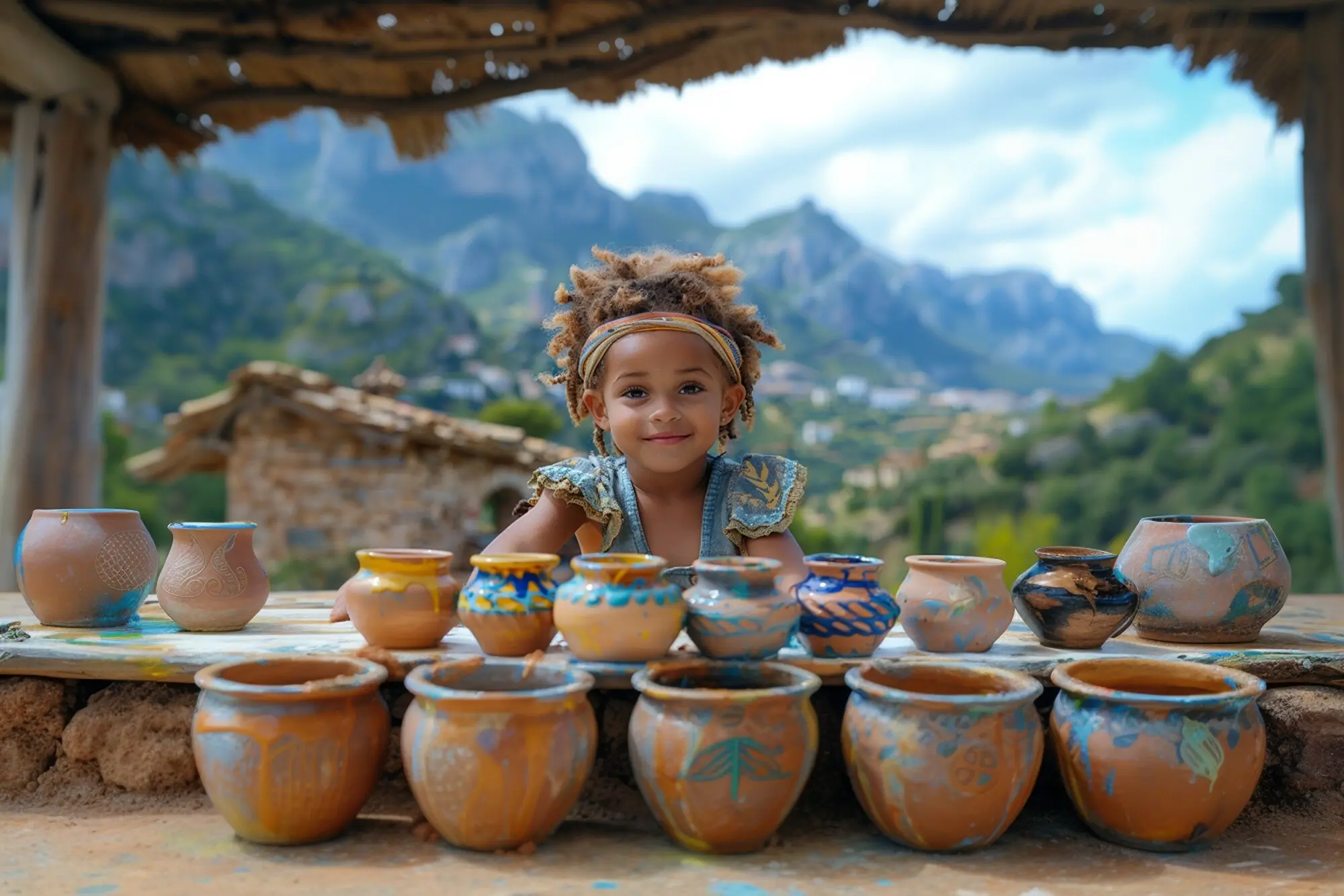
Slowcraft asks that we court materials the way one courts weather: with respect, readiness, and humility. Wood meets steel, but first both meet silence. Clay accepts a fingerprint before it accepts a glaze. Linen resists, then sings. Each maker here keeps notebooks of temperatures, sounds, and scents, a small field guide to patience. In the Alps–Adriatic corridor, abundance is measured not in piles but in fitness: the right plank, the ripest walnut husks for dye, the bobbin lace that breathes like light over winter bread.

Slow Tables from Alpine Pastures to Adriatic Kitchens

Food here is a rehearsal for gratitude, staged daily. Cheese speaks of altitude and people, of fences moved and storms endured. Olive oil remembers terraces, stone by stone, carried like promises. Beans soften in clay while a pot mends a friendship’s frayed edge. At tables stretching from hamlets to harbors, knives are modest and bread is bold. The pace allows flavors to finish their sentences. When we gather, recipes become minutes, and minutes become memories that survive winters and backpacks alike.

Guilds, Markets, and New Collaborations

The old market arcades know every surname and tool. Today they also know laptops sliding beside apricot crates, and postcards announcing residencies that braid mountain and coast. Guild values persist: fairness, fit, and fixability. Yet makers partner across borders with ease, sharing looms, kilns, and benches, swapping lessons in return for stories and deadlines that feel humane. The result is porous tradition: strong enough to carry weight, open enough to admit new light. We invite you to step into this exchange.

Circular Practices Woven into Daily Rituals

Sustainability here rarely needs a manifesto; it lives in mending baskets, shared tools, and habits that choose tough beauty over novelty. Waste is a design problem solved with neighbors and old catalogs. Dyes come from walnuts, onion skins, woad, and patience. Beehives teach thresholds and hospitality. Rain barrels remember roofs from several generations. Repair becomes affection, and affection becomes resilience. If you are mapping your own household changes, look for rituals you already love and extend them, like adding another log to a steady fire.

Repair before Replace: Mending Culture Returns

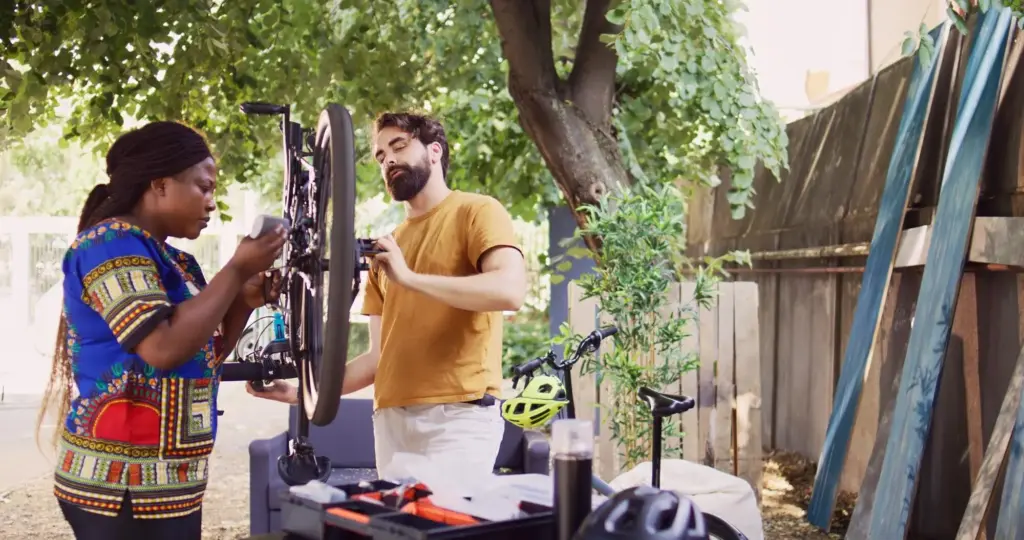
Bring a sweater, kettle, or chair to one of the region’s repair gatherings, and watch strangers become colleagues. A cobbler explains heel shapes while a teenager reattaches a pot handle learned from a YouTube clip and a grandfather’s nod. Tools travel between tables; so do cakes and encouragement. By evening, fewer things head for the bin, and more carry patches like honorary medals. Share your own repair victories in our comments, however small, and tell us which tool you would rescue first during a move.

Bee Lines and Natural Dyes

Carniolan bees trace air lines that teach gentleness and efficiency. Their keepers harvest wax that carries sunlight into candles and balms. Nearby, dyers simmer madder, weld, walnut husks, and indigo vats coaxed like old friends. Wool takes color that feels like memory rather than paint, softening into palettes the mountains already wear. Workshops smell of honey and damp yarn. If you have garden space, try a dye bed, share seed, and notice how seasons repaint your wardrobe and your patience.
Low-Impact Shelters with Warm Hands

Stone, timber, straw, and lime collaborate to make homes that breathe and forgive. Insulation respects summers that demand shade and winters that reward a clay stove’s steady glow. Windows open to crosswinds with names older than maps. Builders swap scaffolds and stews, planning details that invite repairs rather than demolition. The result is a shelter that teaches children with creaks and scents, not screens. Tell us how you’ve tuned your own nest—curtains, eaves, stoves—or what you hope to learn before the first frost.

A Week Between Peaks and Harbors

Imagine seven days shaped by footsteps, handshakes, and simple tasks done well. Mornings begin with bread you touched yesterday; evenings end with a harbor’s lantern blinking a goodnight. Between, a workshop, a walk, a shared plate, a notebook filling with textures and words. You leave behind only footprints and a thank-you note on handmade paper. This itinerary is not a chase; it is a braid. If you attempt it, report back with what surprised you, delighted you, and made you slow further.
Pirakarotariloropalosira
Privacy Overview

This website uses cookies so that we can provide you with the best user experience possible. Cookie information is stored in your browser and performs functions such as recognising you when you return to our website and helping our team to understand which sections of the website you find most interesting and useful.